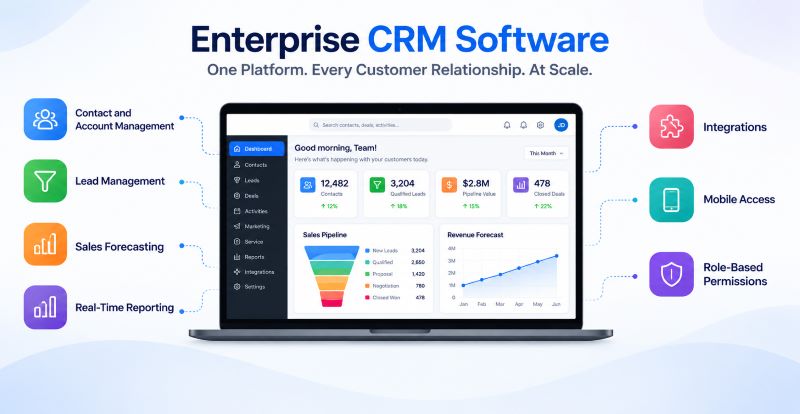
Enterprise CRM software exists because basic tools break down once a company scales: data volume grows, teams multiply, and workflows get too complex for a lean starter CRM to handle. Today, that same shift is happening again as AI-powered CRM becomes the baseline expectation rather than an add-on. This guide covers what enterprise CRM software needs to do, why AI-powered CRM has moved from optional to essential, and how ConvergeHub puts both into one platform without enterprise pricing or complexity.
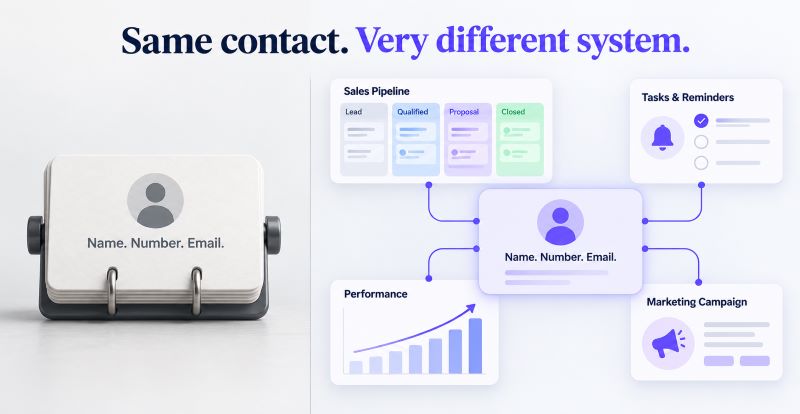
Enterprise CRM software is customer relationship management technology built to handle large data volumes, multiple teams, and complex, multi-stage sales and service workflows. It goes beyond basic contact storage to give an organization one connected view of every customer relationship, at scale.
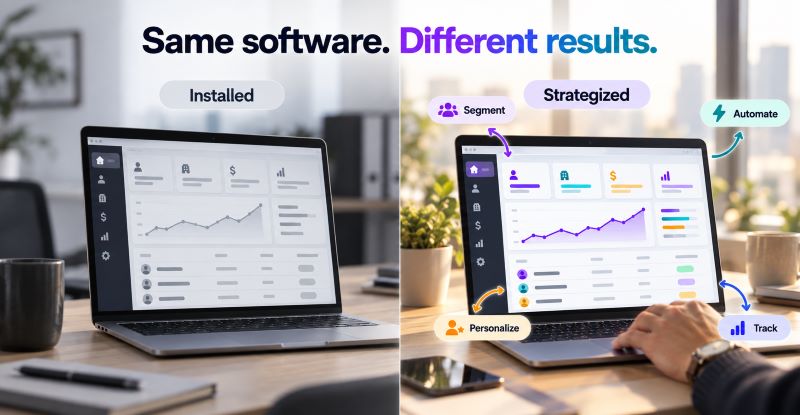
AI-powered CRM turns a system of record into a system that actively works the pipeline: scoring leads, drafting follow-ups, and surfacing what a rep would otherwise miss. Adoption data shows this shift is already mainstream, not emerging.
For an enterprise-scale CRM specifically, AI needs to show up in a few concrete places:
Scale raises the stakes on data security. Enterprise CRM software needs to protect customer data as rigorously as it manages it.
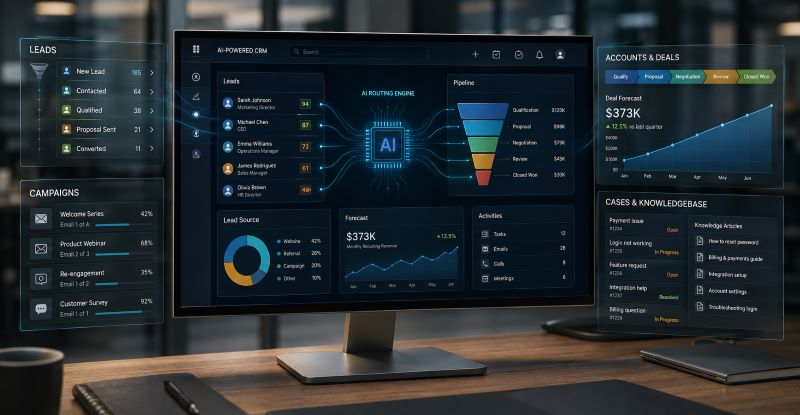
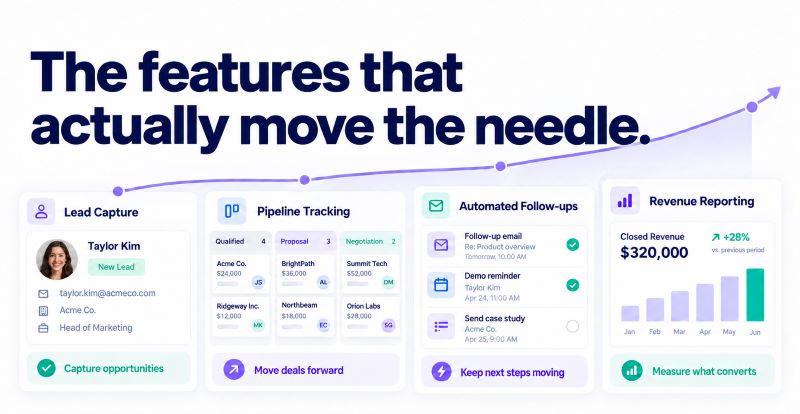
ConvergeHub combines enterprise-grade structure with AI built into the workflow, not bolted on top. Leads are captured, scored, and routed automatically through the Leads module, while Accounts & Deals gives every team a single pipeline view with custom stages and real-time forecasting. Campaigns automates outreach sequences so follow-ups happen without manual tracking, and Cases & Knowledgebase keeps support scaling alongside sales. Role-based permissions, Zapier connections to 100+ business tools, and pricing built to avoid enterprise bloat mean growing teams get enterprise capability without an enterprise price tag or a six-month rollout.
Enterprise CRM software is a customer relationship management platform built to manage large data volumes, multiple teams, and complex sales or service workflows across an organization.
An AI-powered CRM uses artificial intelligence to score leads, draft follow-ups, summarize communication history, and surface insights automatically, instead of requiring a rep to do that work manually.
Enterprise CRM software supports larger data volumes, more complex permission structures, and deeper integrations, while small business CRM prioritizes simplicity and fast setup.
AI features reduce manual work like lead scoring and follow-up tracking that otherwise falls on reps, which becomes harder to manage manually as a team or customer base grows.
Yes. ConvergeHub connects with 100+ business tools through Zapier, alongside native integrations, so customer data stays in sync across the systems a growing team already uses.
ConvergeHub supports role-based permissions and secure data handling appropriate for growing teams; firms with specific compliance requirements should confirm certification details directly.
A phased rollout, starting with one team and core AI features like lead scoring, typically takes a few weeks before company-wide adoption, depending on data volume and integration needs.
Yes, provided the platform supports adding users, expanding permission structures, and integrating new tools without requiring a migration to a different system.
Rolling out to the entire company at once instead of piloting with one team first, which makes data and adoption issues harder to isolate and fix.
No. AI-powered CRM handles repetitive tasks like scoring and drafting so teams spend more time on judgment calls and relationships, not fewer people doing the work.
Enterprise CRM software and AI-powered CRM aren’t separate purchases anymore, they’re the same decision. The question isn’t whether to add AI to a CRM, it’s whether the platform was built with it from the start. Start a free trial with ConvergeHub or request a demo to see enterprise-grade CRM and AI working together without enterprise complexity.