From Data to Decisions: How CRM Analytics Drive Smarter CX

Customer experience (CX) has become the defining battleground for modern businesses. Price and product alone no longer guarantee loyalty; customers expect brands to understand them, anticipate their needs, and deliver seamless interactions across every touchpoint. Meeting these expectations requires more than intuition—it demands insight powered by CRM Analytics.

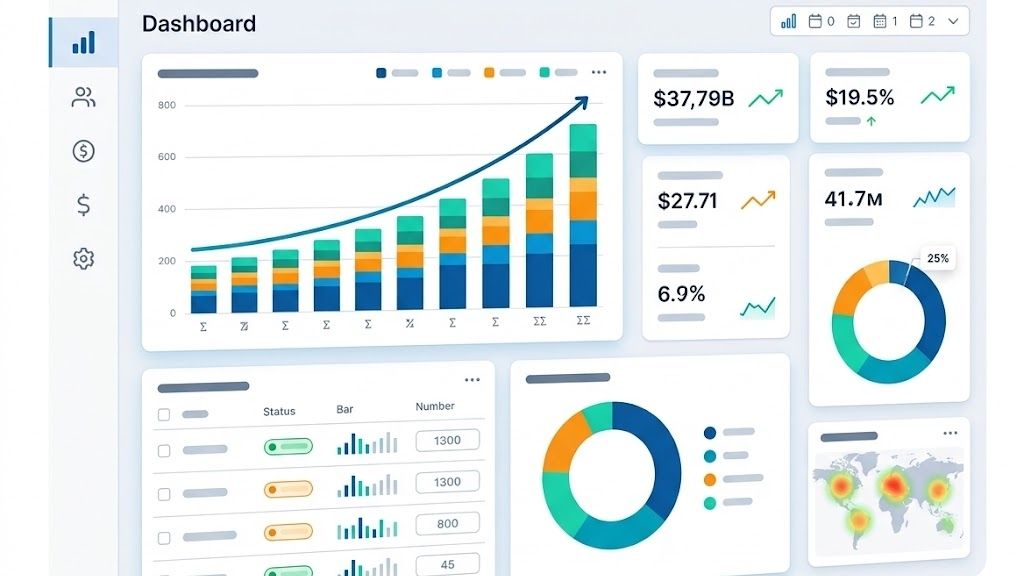
This is where CRM analytics come in. By turning raw customer data into actionable intelligence, CRM platforms empower organizations to make smarter decisions that directly enhance CX. Instead of guessing what customers want, businesses can rely on evidence, patterns, and predictive models to guide every interaction. In this blog, we’ll explore how CRM analytics transform data into decisions, why they matter, and how they shape the future of customer experience.

Why CRM Analytics Matter

Traditional CRMs were often seen as digital filing cabinets—repositories for contact details, deal stages, and support tickets. While useful, they offered limited strategic value. Modern CRM platforms, however, integrate data from sales, marketing, and support into a unified system. Analytics layered on top of this data reveal patterns, predict behaviors, and highlight opportunities that would otherwise remain invisible.

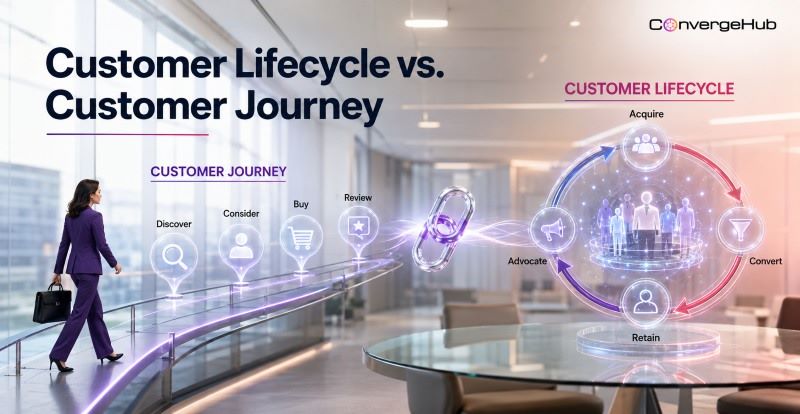
  • Visibility Across Touchpoints: A customer’s journey is rarely linear. They might read a blog post, attend a webinar, speak to a sales rep, and later contact support. Analytics unify these interactions into one narrative, helping teams understand the full context.
  • Predictive Power: CRM analytics don’t just describe what happened—they forecast what’s likely to happen next. For example, they can identify customers at risk of churn or highlight leads most likely to convert.
  • Decision Confidence: Leaders can move from gutfeel choices to datadriven strategies. Instead of debating opinions, teams can rely on measurable insights to guide investments, campaigns, and resource allocation.

In short, CRM analytics transform the CRM from a passive record keeping tool into an active decision making engine.

Turning Data Into Smarter Decisions

1. Personalization at Scale

Customers expect brands to treat them as individuals, not numbers. CRM analytics make this possible by identifying preferences, buying habits, and engagement triggers. For instance, analytics might reveal that a segment of customers consistently responds to educational content before making a purchase. Marketing teams can then design campaigns that nurture these customers with tailored resources.

Sales reps benefit too. Instead of cold outreach, they can approach prospects armed with insights into past interactions, preferred communication channels, and likely objections. Support teams, meanwhile, can personalize resolutions by referencing purchase history or prior issues. This level of personalization builds trust and accelerates loyalty.

2. Proactive Service

Reactive service—waiting for customers to complain—is no longer enough. CRM analytics enable proactive support by tracking resolution times, sentiment analysis, and churn signals. For example, if analytics show that a customer has logged multiple complaints in a short period, the system can flag them as “at risk.” Support teams can then reach out proactively, offering solutions before frustration escalates.

This approach not only prevents churn but also demonstrates empathy. Customers feel valued when brands anticipate their needs rather than simply reacting to problems.

3. Marketing Optimization

Marketing budgets are often under scrutiny, and leaders demand proof of ROI. CRM analytics provide clarity by showing which segments respond best to specific messages. For example, analytics might reveal that younger customers engage more with social campaigns, while older segments prefer email.

Marketers can use these insights to refine targeting, allocate budgets more effectively, and design journeys that resonate with each audience. Over time, this optimization reduces wasted spend and increases conversion rates.

4. Sales Enablement

Sales teams thrive when they know where to focus. Pipeline analytics reveal which deals are most likely to close and which require extra attention. For example, analytics might show that deals with multiple stakeholders progress slower, prompting reps to adjust their approach.

Managers gain visibility into performance trends, enabling them to coach reps more effectively. Instead of generic advice, they can provide targeted guidance based on data. This not only improves win rates but also boosts morale by giving reps clear, actionable insights.

The Role of Advanced Analytics and AI

While traditional analytics provide valuable insights, the future lies in combining them with AIdriven intelligence. Machine learning models can detect subtle patterns, recommend next best actions, and even automate decisionmaking for routine tasks.

  • Predictive Insights: AI can forecast churn, upsell opportunities, or customer lifetime value with remarkable accuracy. For example, if a customer’s engagement drops suddenly, predictive models can flag them as high churn risk.
  • Recommendation Engines: Similar to how streaming platforms suggest shows, CRM systems can recommend products, content, or services based on realtime behavior. This creates hyperpersonalized experiences that feel intuitive.
  • Automation at Scale: AI handles the complexity of delivering personalization across thousands of interactions. It processes massive datasets, identifies trends, and triggers actions automatically, freeing employees to focus on empathy and creativity.

By layering AI on top of a strong CRM foundation, organizations move from reactive personalization to proactive engagement. Customers experience interactions that feel timely, relevant, and deeply human—even when powered by technology.

Measuring the Impact

Analytics are only valuable if they translate into measurable outcomes. Organizations must track KPIs that demonstrate how datadriven decisions improve both customer perception and business performance.

  • Customer Satisfaction (CSAT) and Net Promoter Score (NPS): These metrics reveal how customers feel about their experiences. Rising scores indicate that personalization and proactive service are paying off.
  • Repeat Purchase Rates and Customer Lifetime Value (CLV): Analytics should show whether personalization leads to loyalty and higher spending.
  • Campaign Engagement Metrics (CTR, Conversion Rates): Marketing teams can prove ROI by tracking how tailored campaigns outperform generic ones.
  • Support Resolution Times and SLA Compliance: Faster resolutions demonstrate that analytics are helping support teams anticipate and address issues more effectively.

Sharing these results across departments reinforces the importance of CRM analytics. Employees see how their efforts contribute to measurable success, motivating them to maintain high standards.

Continuous Improvement Through Feedback and Iteration

CRM analytics are not static. Customer expectations shift, new channels emerge, and behaviors evolve. To keep personalization relevant, organizations must build feedback loops into their CRM strategy.

  • Customer Feedback: Surveys, NPS scores, and postinteraction reviews provide direct insight into how customers perceive personalization.
  • Employee Input: Frontline teams often spot gaps or opportunities that analytics alone might miss. Encouraging them to share feedback ensures strategies remain practical.
  • Iterative Updates: Use feedback to adjust workflows, dashboards, and automation rules regularly. This keeps the CRM aligned with customer needs and market trends.

By treating personalization as a living system, businesses can adapt quickly and maintain experiences that feel fresh and authentic.

Leadership and Organizational Alignment

Personalization is not just a technology upgrade—it’s a cultural shift. For CRM analytics to succeed, leadership must champion them as the heartbeat of CX.

  • CX Council: A crossfunctional team should oversee personalization initiatives, ensuring alignment across sales, marketing, support, and IT.
  • Clear Messaging: Leaders must position CRM analytics as tools that empower employees and delight customers, not as compliance requirements.
  • Measure Impact: Tracking KPIs like repeat purchases, NPS, and campaign engagement proves the value of analytics and motivates adoption.

When leaders visibly support CRM analytics, they set the tone for the entire organization. Employees see that datadriven decisions are not optional but central to how the business operates.

Future Proofing Personalization with AI and Predictive Insights

The next frontier of CX lies in combining CRM data with AI driven intelligence. While today’s personalization focuses on past behavior, tomorrow’s will anticipate future needs.

Predictive analytics can forecast customer intent—such as churn risk or likely next purchase—allowing teams to act before the customer even asks. AI driven recommendations deliver hyperpersonalized product suggestions, content, or service options based on real time patterns. Scalable automation ensures personalization grows with the customer base, handling complexity without sacrificing relevance.

By layering AI on top of a strong CRM foundation, organizations move from reactive personalization to proactive engagement. The result is customer experiences that feel intuitive, timely, and deeply human.

Conclusion

From data to decisions, CRM analytics are the bridge between information and impact. They empower organizations to move beyond reactive customer management and toward proactive, predictive, and personalized engagement. By investing in analytics, businesses not only gain clarity but also unlock the ability to deliver smarter CX—one that builds loyalty, drives growth, and positions them for the future

The False Sense of Control

If you’re leading growth today, you’re likely surrounded by information. Reports update regularly. Dashboards stay active. Reviews stay full.

  January 14th, 2026
The False Sense of Control

If you’re leading growth today, you’re likely surrounded by information.

Reports update regularly.
Dashboards stay active.
Reviews stay full.

And yet, even with all of that, decision-making can still feel slower than expected.

That usually happens when information is spread across too many places. When updates live in different tools, inboxes, and spreadsheets, getting a complete picture takes time.

By the time everything lines up, opportunities to act have already narrowed.
This is how teams end up reacting late rather than adjusting early.
down-arrow

How a False Sense of Control Shows Up
There is no dramatic failure.
Work keeps moving.
Meetings continue.
Targets stay in sight.
But day to day:

  • follow-ups rely on individual memory
  • deal progress varies without a clear reason
  • handoffs lose context
  • issues surface after results are affected
Leaders stay busy reviewing updates while still feeling unsure about where to step in.
down-arrow


The Spotlight: How Netflix Regained Operational Clarity
As Netflix expanded, leadership found themselves reviewing a growing number of internal reports. Different teams focused on different metrics, and meetings stretched longer without producing clearer decisions.
They simplified what leadership paid attention to and tied it closely to customer experience and system performance.
Playback reliability, recovery time during outages, and subscriber behavior during disruptions became shared reference points.
This allowed teams to recognize issues earlier and respond while the impact was still limited.
Decisions became easier because everyone was looking at the same information, at the same time, for the same reason.
down-arrow

What Control Looks Like in Practice
For growing teams, control shows up in everyday work:
  • progress can be seen without digging
  • next steps are visible
  • ownership is clear
  • delays become noticeable early
Teams spend less time explaining what happened and more time deciding what to do next.
down-arrow


How ConvergeHub Helps Teams Stay Oriented

A connected system makes this easier.

ConvergeHub brings customer information, follow-ups, workflows, and progress into one place.

That makes it easier to:

  • see where deals slow down
  • notice missed follow-ups
  • track movement across stages
  • keep context intact during handoffs
  • respond before small issues grow

Teams work from the same view of what’s happening instead of assembling updates from multiple sources.
down-arrow

inbox  If you want to talk through how this could apply to your business, let’s connect.

inbox  Or start your
14-day FREE Trial and see how it feels to work from one system.

When leaders can see progress clearly, decisions come sooner and execution stays steady.

The Future of CX: Why Personalization Starts With Your CRM

Customer expectations aren’t standing still, they’re racing ahead. What felt like a personalized experience yesterday now feels impersonal today. Brands are rolling out sleek apps, loyalty perks, and AI-driven campaigns, yet many customers still walk away feeling like just another number. The disconnect isn’t usually in the ambition, it’s in the foundation. The only way to keep pace is to anchor personalization in the one system that sees the entire customer journey: your CRM. Without a CRM that unifies data and powers personalization, even the most creative CX strategies fall flat.

Personalization isn’t about sprinkling a first name into an email subject line. It’s about anticipating needs, remembering preferences, and delivering interactions that feel tailored at every stage of the journey. And the system that makes this possible isn’t your marketing automation tool or your analytics dashboard, it’s your CRM.

Where Personalization Breaks Down

Personalization sounds simple in theory, but in practice it often unravels when the CRM isn’t positioned as the central hub of customer intelligence. Even the most ambitious CX programs struggle if the data is fragmented, the messaging is generic, or the workflows are weighed down by manual effort. Without a unified system, personalization becomes inconsistent, inefficient, and ultimately unconvincing to customers.

Scattered Data

When customer information is spread across marketing lists, sales spreadsheets, and support inboxes, teams only see fragments of the story. This lack of a unified view prevents them from tailoring interactions and leaves customers feeling misunderstood.

Generic Messaging

Campaigns that lack behavioral insights default to broad, one-size-fits-all communication. Instead of resonating with individual needs, they blur into background noise, reducing engagement and eroding trust.

Disconnected Service

Support agents who can’t access purchase history or prior interactions are forced to treat every case as if it’s the first. This absence of context makes service feel impersonal and undermines the empathy customers expect.

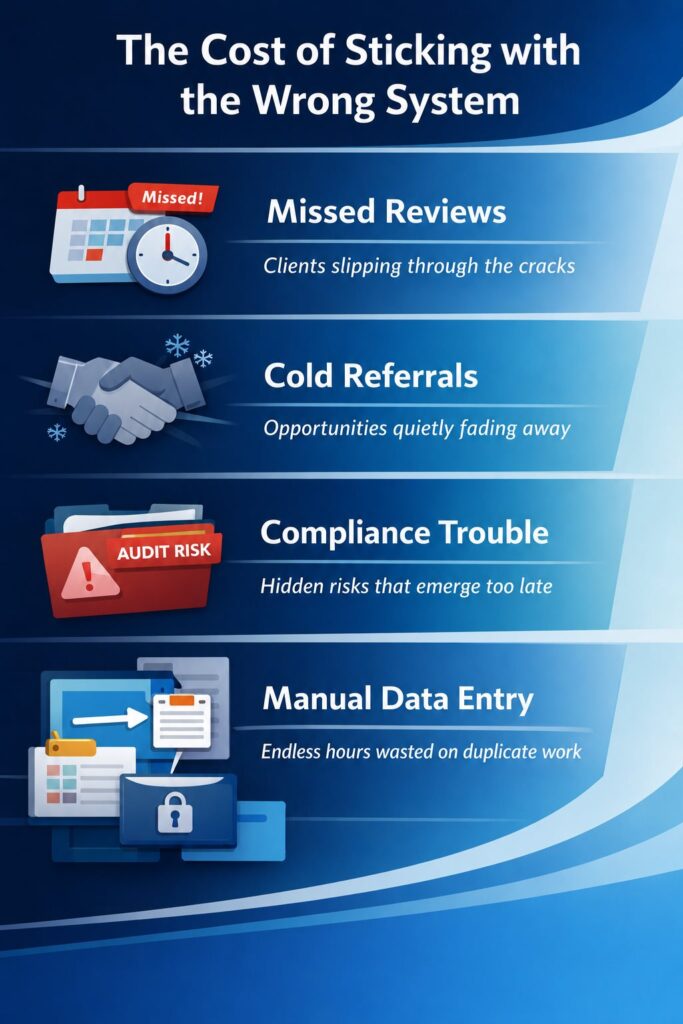
Manual Bottlenecks

When teams must re-enter data across multiple platforms, personalization becomes slow and error-prone. These manual processes not only waste time but also make scaling tailored experiences nearly impossible.

Reframing the Foundation: CRM as the Personalization Hub

The real solution to broken personalization is not piling on more features but reimagining the CRM as the central engine of customer experience. When the system is designed to unify data, surface real‑time insights, and automate the invisible work of logging and syncing, it stops feeling like an administrative burden and starts acting as a partner in delivering meaningful interactions. By simplifying role‑specific views and embedding contextual cues directly into daily workflows, the CRM makes personalization effortless, scalable, and indispensable—transforming it from an optional add‑on into the natural way teams engage with customers.

Turning CRM Into the Personalization Engine

To future-proof CX, organizations must elevate the CRM from a back-office system into the personalization hub.

Unify Customer Records

Bring every touchpoint—site visits, purchases, service tickets—into one profile. A single source of truth is the backbone of personalization.

Surface Real-Time Signals

Modern CRMs should flag behaviors as they happen, like cart abandonment or repeat service requests, so teams can respond instantly.

Automate Contextual Journeys

Go beyond static segmentation. Use CRM-driven automation to trigger dynamic campaigns, tailored offers, and personalized follow-ups.

Role-Centered Views

Sales, marketing, and service teams should each see dashboards tuned to their priorities, ensuring personalization is actionable for every role.

Making Personalization Non-Negotiable

Personalization can’t sit on the sidelines as a “nice‑to‑have.” To truly transform customer experience, it must be woven into the daily rhythm of how teams work. When personalization is embedded directly into CRM processes, it stops being an extra step and becomes the default way of engaging with customers. This shift ensures that every interaction—whether it’s a sales call, a marketing campaign, or a support ticket—carries the weight of context and relevance.

For sales teams, pipeline tracking and commission structures tied to CRM entries make personalized engagement essential to success. Marketing teams rely on CRM‑driven ROI reporting to measure the impact of tailored campaigns, ensuring personalization is both visible and accountable. Support teams, meanwhile, use CRM‑tracked resolution times and SLA compliance to deliver service that feels empathetic and responsive. By making personalization inseparable from core workflows across departments, organizations guarantee consistency, scalability, and customer trust.

The Building Blocks of CRM-Driven Personalization

PillarWhat It MeansCX Impact
Unified DataConsolidating customer information from sales, marketing, and support into one profile.Creates a complete view of the customer, enabling consistent and relevant interactions.
Real-Time InsightsSurfacing behavioral signals like cart abandonment, repeat visits, or service escalations instantly.Allows teams to act in the moment, delivering timely and contextual experiences.
AutomationStreamlining repetitive tasks such as logging interactions, syncing records, and triggering journeys.Frees employees to focus on relationship building while ensuring personalization at scale.
Contextual DashboardsTailoring CRM views to highlight personalization cues relevant to each workflow.Makes personalization actionable and intuitive, reducing friction in daily tasks.
Data Quality StandardsMakes personalization actionable and intuitive, reducing friction in daily tasks.Builds trust in the system and ensures personalization is accurate and reliable.

Data Quality: The Hidden Driver of Personalization

Personalization is only as strong as the data behind it. Even the most advanced CRM features will fail if the information feeding them is incomplete, inconsistent, or unreliable. Clean, standardized data is the foundation that ensures every interaction feels relevant and trustworthy.

Clean Before You Migrate  

Scrub duplicates, fix errors, and fill gaps before moving records into the CRM. A clean start prevents frustration and builds confidence among users who rely on the system daily. Without this step, personalization efforts risk being undermined by inaccurate or conflicting information.

Set Standards  

Define mandatory fields for leads, contacts, and cases to keep records consistent across departments. Clear rules for data entry reduce ambiguity and ensure that every team member contributes to a reliable customer profile. Over time, these standards create a culture of accountability around data quality.

Show the Payoff  

Use dashboards and reports to demonstrate how accurate data powers personalized insights. When employees see that clean records lead to better targeting, faster resolutions, and stronger customer relationships, they’re more motivated to maintain data integrity. Visibility turns good habits into lasting behavior.

Leadership and Organizational Alignment

Personalization is not simply a technology upgrade—it represents a cultural shift in how organizations view and serve their customers. For CRM‑driven personalization to succeed, leadership must treat it as the heartbeat of customer experience (CX), embedding it into strategy, communication, and daily operations. When leaders actively champion personalization, they signal to employees that it is not optional but central to how the business creates value.

CX Council  

Establishing a cross‑functional council ensures personalization initiatives are guided by diverse perspectives. Representatives from sales, marketing, support, and IT can collaborate to align priorities, resolve conflicts, and ensure personalization strategies benefit the entire organization. This council becomes the governance body that keeps personalization consistent and scalable.

Clear Messaging  

Leaders must frame CRM personalization as more than a compliance requirement. By positioning it as a tool that empowers employees to deliver better experiences, they shift the narrative from “extra work” to “customer impact.” Clear, continuous communication helps employees see how personalization supports both business goals and their own success.

Measure Impact  

Tracking personalization KPIs is essential to prove its value. Metrics such as repeat purchase rates, Net Promoter Score (NPS), and campaign engagement show how personalization translates into loyalty and growth. Sharing these results across teams reinforces the importance of CRM‑driven personalization and motivates employees to maintain high standards.

Continuous Improvement Through Feedback and Iteration

Personalization isn’t a one-time project; it’s an evolving practice. Customer expectations shift, new channels emerge, and behaviors change rapidly. To keep personalization relevant, organizations must build feedback loops into their CRM strategy.

  • Customer Feedback: Collect insights directly from customers through surveys, NPS scores, and service follow-ups to refine personalization tactics.
  • Employee Input: Encourage frontline teams to share what personalization cues help them most, and where gaps exist.
  • Iterative Updates: Use this feedback to adjust workflows, dashboards, and automation rules regularly, ensuring the CRM evolves alongside customer needs.

By treating personalization as a living system, businesses can adapt quickly and maintain experiences that feel fresh and authentic.

Future-Proofing Personalization with AI and Predictive Insights

The next stage of customer experience will be defined by how effectively organizations combine CRM data with AI-driven intelligence. While today’s personalization often relies on analyzing past behavior, tomorrow’s approach will anticipate future needs before customers even voice them. Predictive analytics can forecast intent—such as churn risk or likely next purchase—allowing teams to intervene proactively. AI-driven recommendations take this further by delivering hyper-personalized product suggestions, tailored content, or service options based on real-time patterns, ensuring every interaction feels relevant and timely.

Equally important is scalability. As customer bases grow, machine learning enables personalization to expand without losing accuracy or nuance. By automating the invisible work of data processing and pattern recognition, AI ensures personalization remains consistent across thousands of interactions. When layered on top of a strong CRM foundation, these capabilities shift organizations from reactive personalization to proactive engagement—creating experiences that feel intuitive, human-centered, and built for the future.

FAQs

  1. How do I know personalization is working?  

Look at customer satisfaction scores, repeat purchase rates, and engagement with tailored campaigns.You’ll know personalization is effective when customers respond with loyalty and engagement. Key indicators include rising customer satisfaction scores, repeat purchase rates, and stronger retention. Engagement metrics—such as higher open rates on tailored campaigns or increased click‑throughs on personalized offers—also signal success. Beyond numbers, listen to qualitative feedback: when customers say interactions feel relevant and seamless, it’s proof that personalization is delivering real value.

2. What’s the biggest obstacle?  

The most common barrier is data silos. When customer information is scattered across marketing platforms, sales spreadsheets, and support systems, teams only see fragments of the customer journey. This fragmentation makes personalization inconsistent and often frustrating for customers. Breaking down silos by centralizing data in a CRM ensures every department works from the same complete profile, enabling personalization that feels connected and trustworthy.

3. Should personalization be fully automated?  

Automation is essential for scale—it allows organizations to deliver tailored experiences to thousands of customers simultaneously. However, automation alone can feel mechanical. Human empathy and judgment remain irreplaceable, especially in moments that require nuance, reassurance, or creativity. The best approach is a balance: let automation handle repetitive tasks and trigger personalized journeys, while empowering employees to add the human touch that makes personalization feel authentic.

4. How often should strategies evolve?  

Personalization strategies should be reviewed regularly to stay aligned with shifting customer expectations. Quarterly reviews are a practical rhythm, allowing teams to assess new behaviors, market trends, and technology updates. This cadence ensures personalization doesn’t stagnate and remains responsive to customer needs. In fast-moving industries, more frequent adjustments may be necessary, but the principle remains the same: personalization must evolve as quickly as your customers do.

Final Thought

The future of CX isn’t about more channels or louder campaigns—it’s about smarter, more human interactions powered by a CRM that makes personalization seamless. When your CRM becomes the personalization engine, every touchpoint turns into a loyalty-building moment.